Income inequality and access to education in Pakistan
From chalkboards to smart phones, Pakistan's education system is a landscape divided; where geography dictates opportunity and inequality writes curriculum.
An article written in frame of a former model by Daniel Checchi; implemented on Pakistan's case.
Daniel Checchi's model states imperfection of financial markets make educational choices dependent on distribution of family incomes. Income inequality significantly hinders access to education, which in turn feeds back into further inequality; poverty trap.
Pakistan's position: Pakistan's total population is 241.5 million. Based on the recent world bank report approximate 45% of Pakistan's population lives in poverty, that makes over 107 million people out of which 39.8 million people living below poverty line as per international scale.
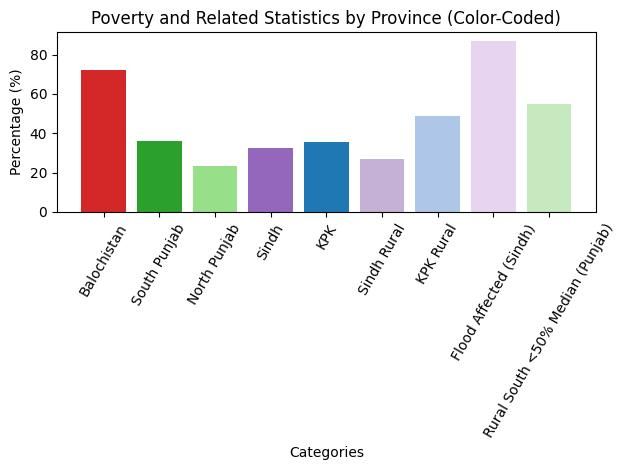
Gini coefficient's roll: model suggests an inverse relationship between gini coefficient and enrolments in schools. higher the gini coefficient, lower the enrolments.
Gini coefficient is a simple numerical measure of income or wealth inequality within a population; between the richest and poorest on a scale of 0 to 1. 0 means everyone has same income and 1 means one person has all the income.
Based on world economics analysis, Pakistan's gini coefficient was citied at 0.628 as of 2019/2020 data and as of early 2024/25, poverty rate risen to 28.8% . Lower income families face significant barriers to quality education which in return limit their future earning potential. reasons being lack of resources to afford school costs, geographical constrains, no or less education in parents; attending under resourced schools, leading to lower reading and math skills which intensify the gap between rural and urban schooling once again children deficient. Even if talent exists, since poor people cannot borrow talent may not attend education.
Food insecurity, instable housing and constant financial strain push back education as a priority and children may miss schools or even may need to work.
Human capital: It further demonstrates that inequality reduces human capital formation by preventing poor households from investing in education due to credit constrains. In many impoverished or developing contexts, children are viewed as "capital" or economic assets rather than liabilities; human capital. A mindset often practised:
Children = investment
Education = investment
Financial constrains mostly affect secondary education. Primary education isn't affected because often times it is free and compulsory. Secondary education on the other hand costs more; uniforms, books, trends, opportunity cost increases (child could work instead)
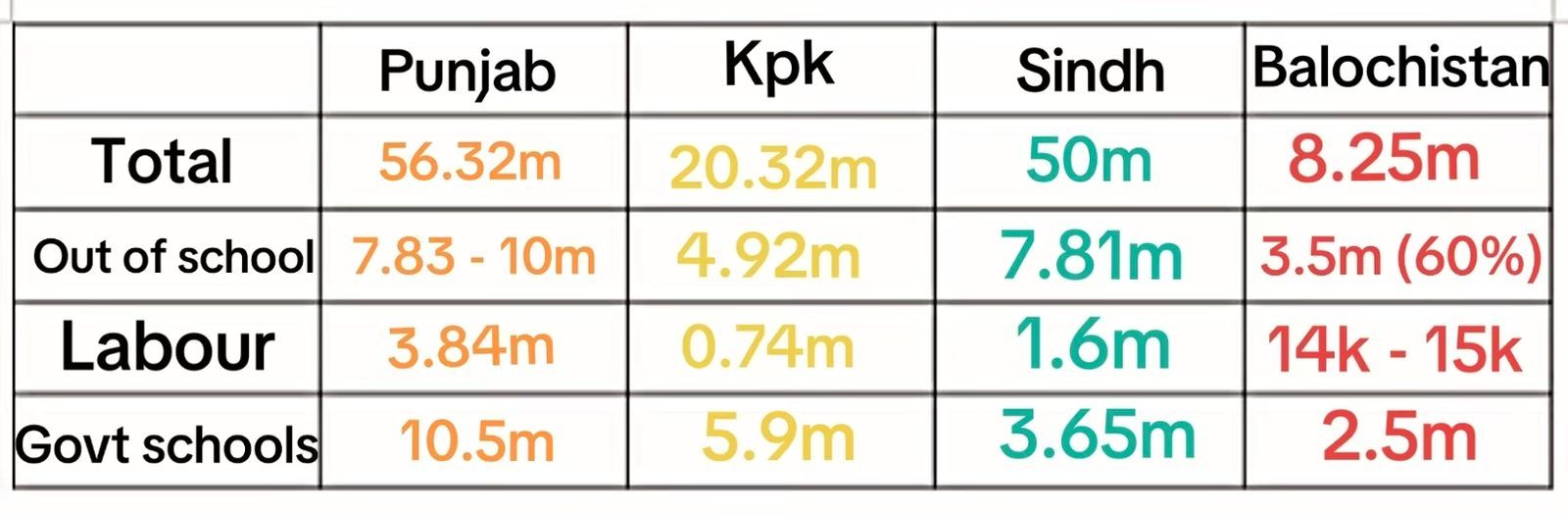
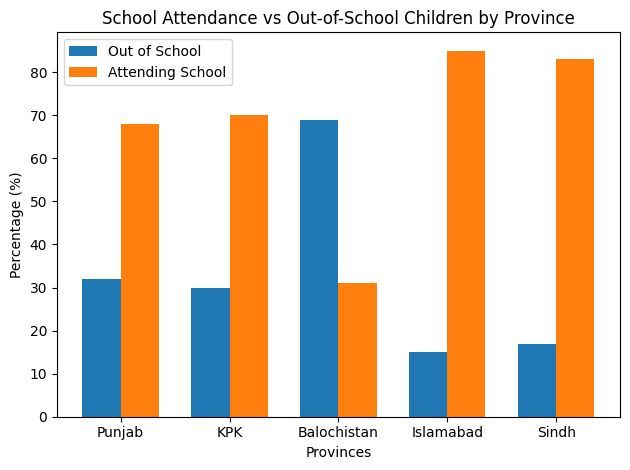
Cost of education is barrier; can be lowered if public resources invested in education. If government increases education funding, provides scholarships and subsidize school costs enrolment increases.
Drawbacks in Checchi's models: Snapping out of Daniel Checchi's model, financial constrains are not the only barrier but culture and geography also matters. Cultural norms, gender bias, parental education and traditions independently restrict access to education. People affected in conflict zones or natural disasters also puts man at a stage where education is no longer a priority but food and shelter insecurity takes over.
Gender inequality: Gender inequality refers to the variability in the condition that women and men encounter when exercising their full human rights. Pakistan is ranked 145th out of 156 countries in terms of gender parity. female participation in education is more strongly conditioned by family wealth, starting from primary education. As of 2025 literacy rate in women is 45.6% while 69.3% in men. key barriers being poverty, lack of school infrastructure. Women being conditioned to education is not all about financial resources but social and cultural believes play a vital role, women education is not praised by rural local patriarchal governments, pressurising society often results in women not having access to education despite being capable and wanting it. Rougly 41.5% or girls out of school compared to 34.9% boys. Improved gender parity and women participation in economic activities are strongly tied to social and economic progress.
Geographical disparities: One of the primary factors contributing to disparity in education access is the concentration of resources in urban centers. Urban schools tend to receive more funding due to higher property taxes and government investments, resulting in better facilities and technological integration. Conversely, rural schools often operate on limited budgets, leading to overcrowded classrooms, outdate materials and insufficient extracurricular support. The difference in funding can restrict ability of rural schools to attract and retain qualified teachers, further expanding the gap between urban and rural education. Addressing these geographical disparities in education requires targeted policy interventions, strategic approaches like funding increase, investing in teacher training programs. Rural areas are stronger influenced by patriarchal norms resulting in negative effect on lives example being restrictions on education.
Conclusion: Education being treated as a luxury in many areas of Pakistan is a stark reality that demands attention. Government's increase in education fund, strong check and balance on institutes, increase in scholarship and prioritising the matter may reduce the number of children out of schools due to financial constrain. To bridge the urban-rural education divide policy makers must prioritise equitable funding, investing in teacher training and tackle socio-cultural barriers by spreading awareness. By doing so we can drive the current Pakistan to a stage where education-the right of every human- is accessible to everyone in Pakistan.